What is an Electric Bike and How Does It Work?
Electric bikes, commonly known as e-bikes, are rapidly changing the way people commute, travel, and experience personal transportation. As fuel prices rise and environmental concerns grow, electric bikes have emerged as a smart, cost-effective, and eco-friendly alternative to traditional petrol-powered two-wheelers.
But what exactly is an electric bike? How does it work? Is it practical for everyday use? This comprehensive guide answers all these questions in simple, easy-to-understand language, making it perfect for beginners and first-time buyers.
What is an Electric Bike?
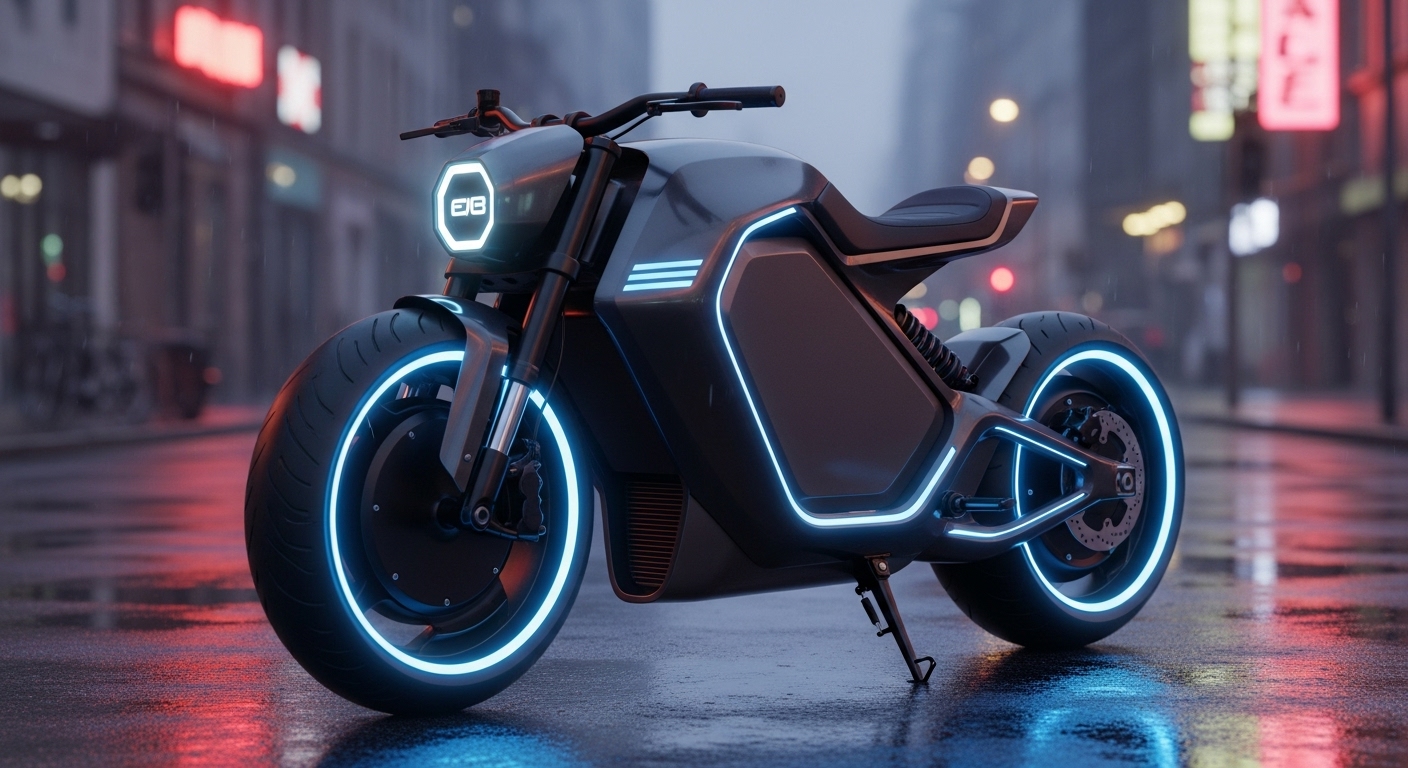
An electric bike is a two-wheeled vehicle that uses an electric motor powered by a rechargeable battery to assist or fully drive the bike. Unlike traditional motorcycles or scooters that rely on petrol or diesel, electric bikes run on stored electrical energy.
Electric bikes are designed to reduce human effort, lower fuel dependency, and provide a smooth riding experience. They come in several styles, including:
- Pedal-assist bicycles
- Throttle-based electric bikes
- Electric scooters and mopeds
- High-performance electric motorcycles
Depending on the model, an electric bike can either assist your pedaling or move entirely using the motor without pedaling.
Key Components of an Electric Bike
To understand how an electric bike works, it’s important to know its main parts.
Battery
The power source of the electric bike. Usually lithium-ion or lithium-polymer. Stores electricity for motor operation and determines range and performance.
Electric Motor
Converts electrical energy into mechanical motion and propels the bike forward. Can be hub-mounted or mid-drive.
Controller
Acts as the brain of the e-bike. Controls power delivery from battery to motor and manages speed and torque.
Throttle / Pedal Assist System
Allows the rider to control speed. Pedal assist activates motor with pedaling, while throttle moves bike without pedaling.
Display and Sensors
Shows speed, battery level, and distance. Sensors detect pedaling speed and force.
How Does an Electric Bike Work?
The working process of an electric bike is simple and efficient:
- The rider turns on the bike using the power button
- The battery supplies power to the controller
- When the rider pedals or twists the throttle, sensors send signals
- The controller regulates power flow
- The motor converts electrical energy into movement
- The bike moves forward smoothly
This system ensures efficient energy use, smooth acceleration, and controlled speed.
Types of Electric Bikes
Electric bikes can be categorized based on their operating style and purpose.
Pedal Assist E-Bikes
Motor activates only when the rider pedals. Ideal for fitness-oriented riders and saves battery power.
Throttle-Based E-Bikes
Motor runs without pedaling and works like a scooter. Very beginner-friendly.
Hybrid Electric Bikes
Combination of pedal assist and throttle offering flexibility.
High-Speed Electric Motorcycles
Designed for longer distances and higher speeds. Usually require license and registration.
Benefits of Electric Bikes
Electric bikes offer numerous advantages compared to traditional bikes and petrol vehicles.
Environmental Benefits
- Zero tailpipe emissions
- Reduces air pollution
- Low carbon footprint
Cost Efficiency
- No fuel costs
- Low maintenance expenses
- Affordable charging
Convenience
- Easy to ride
- Ideal for city traffic
- Simple controls on most models
Health Benefits
- Encourages light physical activity
- Reduces riding fatigue
Silent Operation
- Very low noise
- Comfortable for residential areas
Electric Bike vs Traditional Bike
Electric Bikes
- Motor-assisted ride
- Higher speed
- Less physical effort
- Battery-powered
Traditional Bikes
- Manual pedaling
- More physical strain
- Limited speed
Electric Bike vs Petrol Bike
Electric Bikes
- Runs on electricity
- No fuel dependency
- Minimal maintenance
- Eco-friendly
Petrol Bikes
- Requires ongoing fuel
- Higher operating cost
- Produces emissions
How Far Can an Electric Bike Go on a Single Charge?
The range of an electric bike depends on:
- Battery capacity
- Rider weight
- Speed and riding style
- Terrain and road condition
- Weather conditions
Typical range values:
- Entry-level models: 40–60 km
- Mid-range models: 60–100 km
- Premium models: 100–150 km+
How Long Does It Take to Charge?
Charging time depends on battery size and charger type.
Average charging time:
- Standard models: 4–6 hours
- Fast charging models: 2–3 hours
Most e-bikes can be charged at home using a regular power socket.
Maintenance Requirements of Electric Bikes
Electric bikes require much less maintenance than fuel-powered bikes.
Important maintenance areas:
- Battery health and storage
- Brake inspection
- Tire pressure checks
- Motor inspection
- Electrical wiring check
Regular servicing improves safety and lifespan.
Safety Features in Modern Electric Bikes
Most electric bikes include:
- Disc brakes
- LED headlights
- Digital displays
- Anti-theft alarms
- Smart connectivity
- Speed limiters
Some premium models also offer ABS and GPS tracking.
Are Electric Bikes Good for Daily Use?
Yes, electric bikes are excellent for daily commuting and short-distance travel.
Suitable for:
- Office goers
- College students
- Delivery workers
- Short city rides
- Eco-conscious users
They reduce travel expenses and are ideal for congested urban roads.
Government Support and Incentives
Many governments offer incentives such as:
- Purchase subsidies
- Reduced registration fees
- Lower road taxes
- EV charging infrastructure support
These initiatives encourage wider adoption of electric mobility.
Things to Consider Before Buying an Electric Bike
Before purchasing, check:
- Battery range
- Motor power
- Charging time
- Comfort and suspension
- Warranty and service network
- Spare parts availability
Common Myths About Electric Bikes
Myth: Electric bikes are slow
Reality: Most models can reach 50–70 km/h depending on category.
Myth: Batteries don’t last long
Reality: Modern batteries last 3–5 years or longer with proper care.
Myth: Charging is complicated
Reality: Charging is as easy as plugging in a mobile charger.
Future of Electric Bikes
Electric bikes are expected to play a major role in future transportation. Innovations include:
- Longer-range batteries
- Faster charging systems
- Smart mobile connectivity
- Lightweight materials
- Improved motor efficiency
With continuous technological growth, e-bikes will become more affordable and accessible.
Who Should Consider Buying an Electric Bike?
Electric bikes are suitable for:
- Daily commuters
- Students
- Budget-conscious users
- Environmentally aware individuals
- Urban travelers
Final Thoughts
An electric bike is not just a modern trend; it is a practical solution for sustainable transportation. It reduces travel costs, minimizes environmental impact, and offers a smooth, easy riding experience.
By understanding what an electric bike is and how it works, you can make an informed decision whether you are considering one for commuting, fitness, or eco-friendly mobility.
As cities become more crowded and fuel prices rise, electric bikes are becoming one of the smartest and most efficient transportation choices available today.