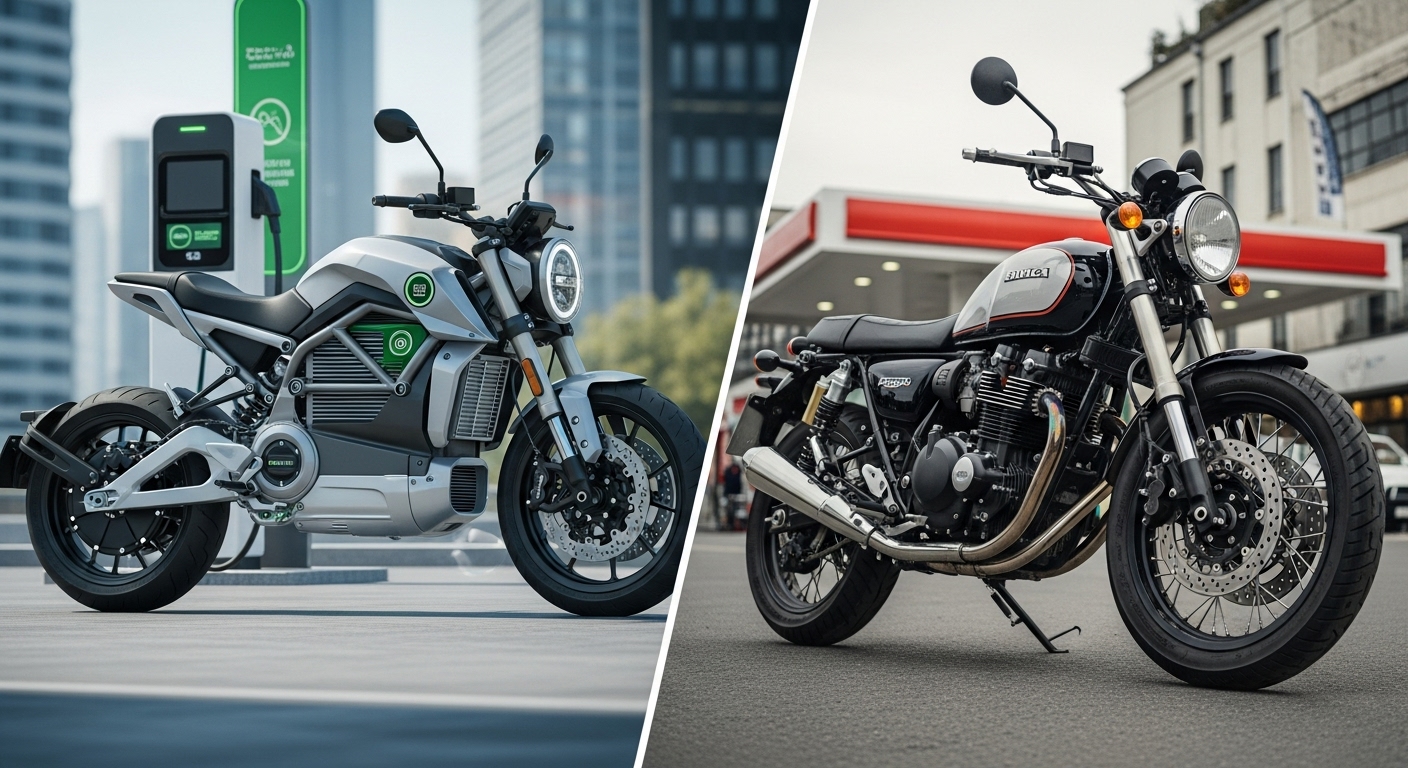
EV Bike vs Petrol Bike: Cost Comparison Guide
Choosing between an EV bike and a petrol bike is one of the most important decisions for modern riders. With rising fuel prices, increasing environmental concerns, and rapid advancements in electric vehicle technology, many people are now seriously considering making the switch. However, the biggest factor that influences this decision is cost.
This in-depth guide provides a complete comparison of EV bikes and petrol bikes from a cost perspective. It breaks down purchase price, running costs, maintenance expenses, long-term ownership, and overall value so you can make an informed decision that suits your budget and lifestyle.
Understanding the Basics
Before comparing costs, it is important to understand how both types of bikes operate.
EV Bike:
An electric bike runs on a rechargeable battery that powers an electric motor. It requires no fuel and produces no emissions. Charging is done through standard electricity connections at home or public charging stations.
Petrol Bike:
A petrol bike uses an internal combustion engine that runs on petrol. It requires regular refueling and periodic servicing to maintain engine performance.
Both serve the same purpose but differ significantly in their operating expenses and ownership experience.
Initial Purchase Cost Comparison
The upfront price is usually the first thing buyers consider.
EV Bike Initial Cost:
- Generally higher than petrol bikes in the same category
- Higher due to battery and technology costs
- Prices vary based on battery capacity and features
Petrol Bike Initial Cost:
- Usually more affordable at entry level
- Wide variety of budget-friendly models available
- Lower initial investment required
While petrol bikes appear cheaper upfront, the total cost over time tells a different story.
Running Cost: The Biggest Difference
This is where EV bikes clearly outperform petrol bikes.
EV Bike Running Cost:
- Runs on electricity
- Average cost per km is significantly lower
- No fuel dependency
- Charging cost is predictable
Petrol Bike Running Cost:
- Dependent on fluctuating fuel prices
- Higher cost per kilometer
- Fuel expense increases with usage
On average, the cost per kilometer for an EV bike is only a fraction of that of a petrol bike, making it highly economical for daily use.
Fuel vs Electricity Cost Analysis
EV Bike:
- Electricity cost is stable and affordable
- Full charge cost is minimal compared to fuel tank refill
- More predictable monthly expenses
Petrol Bike:
- Fuel prices are volatile
- Monthly expenses vary significantly
- Higher financial burden for frequent riders
For commuters who travel long distances daily, savings on fuel alone can be substantial when using an EV bike.
Maintenance Cost Comparison
EV bikes are designed with fewer mechanical parts, which means reduced maintenance.
EV Bike Maintenance:
- No engine oil changes
- No clutch or gearbox
- Fewer moving components
- Lower servicing frequency
Petrol Bike Maintenance:
- Regular oil changes required
- Engine servicing
- Chain lubrication
- Spark plug replacement
- Complex mechanical parts
Over time, the maintenance costs of petrol bikes can exceed the savings made on their lower purchase price.
Battery Replacement vs Engine Repair
One concern for EV bike buyers is battery replacement cost.
EV Bike Battery:
- Lasts typically 3 to 5 years
- Replacement is required after battery life cycle ends
- Cost depends on capacity and brand
Petrol Bike Engine Repair:
- Engine wear over time
- High repair and overhaul costs
- Major servicing required for performance retention
While battery replacement is a known expense, it is usually predictable and occurs after years of use, whereas engine repairs can be unexpected and expensive.
Long-Term Ownership Cost
When evaluating true ownership cost, it is essential to look beyond the purchase price.
EV Bike Long-Term Cost:
- Lower fuel expenditure
- Reduced maintenance cost
- Fewer repair issues
- Minimal service requirements
Petrol Bike Long-Term Cost:
- Recurring fuel expenses
- Regular servicing requirements
- Higher repair risk
- Rising cost due to fuel inflation
Over a period of 5 to 7 years, EV bikes generally prove to be significantly more cost-effective than petrol bikes.
Insurance and Registration Costs
EV Bikes:
- Often enjoy lower registration fees
- Some regions provide tax exemptions
- Insurance premiums may be slightly lower
Petrol Bikes:
- Standard registration charges
- Higher road tax in certain regions
- Regular insurance costs
Government incentives further improve the cost advantage of EV bikes in many areas.
Government Subsidies and Incentives
Many governments actively promote electric mobility through incentives.
Common EV benefits include:
- Purchase subsidies
- Reduced road tax
- Registration fee waivers
- Reduced GST rates
These benefits reduce the effective cost of EV bikes, making them more attractive than petrol bikes.
Charging Infrastructure vs Refueling Convenience
EV Bike:
- Charging at home or workplace
- No need to visit fuel stations regularly
- Requires planning for long-distance travel
Petrol Bike:
- Easy access to fuel stations
- Quick refueling process
- No waiting time like charging
While petrol refueling is faster, the convenience of charging at home adds significant comfort to EV ownership.
Daily Commuting Cost Efficiency
For daily commuting, cost efficiency plays a major role.
EV Bike Benefits for Daily Use:
- Minimal running cost
- Ideal for urban travel
- No fuel stops
- Silent and smooth ride
Petrol Bike Drawbacks for Daily Use:
- High fuel consumption
- Increasing expenses
- Regular fuel dependency
Over time, EV bikes prove to be a cheaper option for office commuters and daily riders.
Environmental Cost Factor
While not always measured in currency, environmental cost is important.
EV Bike:
- Zero emissions
- No air pollution
- Environmentally responsible
Petrol Bike:
- Carbon emissions
- Air and noise pollution
- Higher environmental impact
Switching to EV bikes contributes to sustainable transportation and cleaner cities.
Resale Value Comparison
EV Bike Resale:
- Market demand growing
- Battery health affects price
- Increasing market acceptance
Petrol Bike Resale:
- Well-established resale market
- Value decreases with engine wear
- Fuel-based technology decline affects value
Although petrol bikes currently have a stable resale market, EV bike resale value is rapidly improving.
Cost Comparison Example (Practical Perspective)
Consider a rider traveling 40 km daily.
Over 1 year:
EV Bike:
- Very low charging cost
- Minimal servicing
- Total annual expense significantly lower
Petrol Bike:
- High fuel expenditure
- Servicing costs
- Total yearly expense much higher
Over 5 years, EV bikes can save a substantial amount compared to petrol bikes in terms of total cost of ownership.
Hidden Costs to Consider
EV Bike Hidden Costs:
- Battery replacement
- Charger maintenance
- Upgraded charging equipment (optional)
Petrol Bike Hidden Costs:
- Engine repairs
- Fuel price hikes
- Frequent spare part replacement
Understanding these costs helps in realistic budgeting.
Who Should Choose an EV Bike?
EV bikes are ideal for:
- Daily commuters
- City riders
- Budget-conscious users
- Environmentally responsible individuals
- Short to medium distance travelers
Who Should Choose a Petrol Bike?
Petrol bikes may still suit:
- Long-distance travelers
- Rural area riders
- Riders without access to charging
- Heavy-duty performance users
Performance and Cost Balance
EV bikes offer better cost efficiency but may have limitations for extreme long-distance use. Petrol bikes provide performance flexibility but at a higher operational cost.
Choosing between the two depends on your riding pattern and cost priorities.
Future Cost Trends
EV Bike Trend:
- Decreasing battery costs
- Improved technology
- More government incentives
- Wider charging network
Petrol Bike Trend:
- Rising fuel prices
- Stricter emission regulations
- Increasing maintenance cost
These trends indicate that EV bikes will become even more cost-efficient in the coming years.
Summary of Cost Comparison
EV Bike:
- Higher initial price
- Extremely low running cost
- Minimal maintenance
- Long-term savings
Petrol Bike:
- Lower upfront cost
- High fuel expenses
- Higher maintenance
- Increasing long-term cost
Final Verdict: Which is Better from a Cost Perspective?
If your primary concern is cost, EV bikes clearly offer better long-term value. While petrol bikes seem cheaper at purchase, the cumulative expenses of fuel, servicing, and repairs make them more expensive over time.
EV bikes are the smarter choice for urban commuters and frequent riders looking to reduce total transportation expenses. Petrol bikes remain suitable for occasional riders or those needing extended travel flexibility, but from a purely financial standpoint, electric bikes win the cost comparison.
Making the right choice depends on how far you travel, how often you ride, and how much you value cost savings over convenience. By analyzing all financial aspects, you can select the option that best fits your budget, lifestyle, and future goals.
In the long run, EV bikes are not just an economical choice — they represent a shift toward sustainable, efficient, and financially responsible mobility.